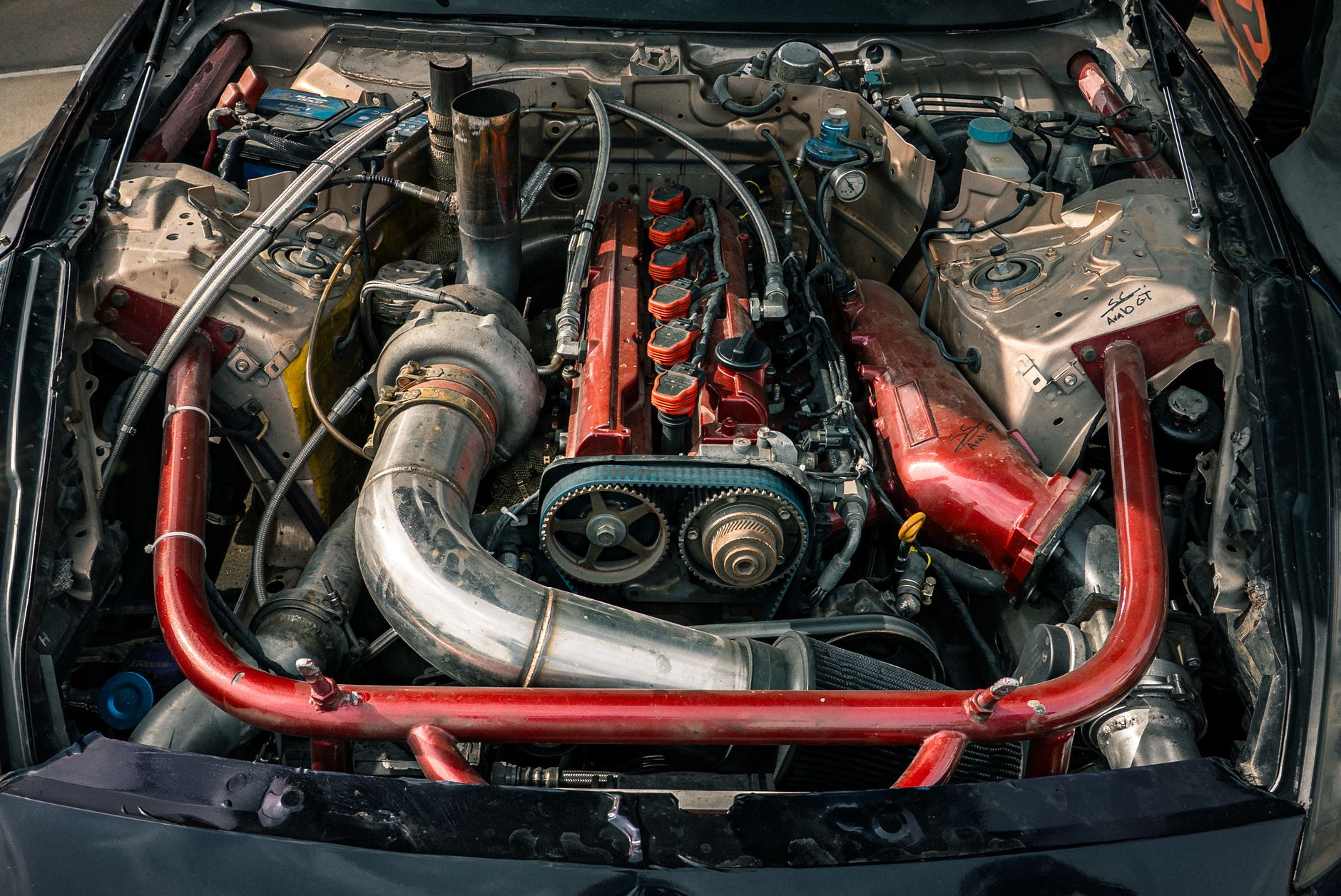
Cracking the GLM-5 Turbo Code: Under the Hood of Low-Latency API Calls
Delving into the GLM-5 Turbo's architecture reveals a meticulously engineered system designed to achieve unparalleled low-latency API calls. At its core, the GLM-5 Turbo leverages a hybrid processing model, combining highly optimized, custom-built hardware accelerators with a sophisticated software layer. This dual-pronged approach tackles the inherent bottlenecks of traditional API infrastructures. The hardware offloads computationally intensive tasks such as data serialization/deserialization, cryptographic operations, and protocol parsing, dramatically reducing CPU cycles per request. Meanwhile, the intelligent software layer employs advanced caching mechanisms, speculative execution, and dynamic load balancing algorithms to predict and precondition requests, minimizing wait times and maximizing throughput. Understanding these underlying mechanisms is crucial for developers looking to truly optimize their applications and harness the full power of the GLM-5 Turbo.
One of the most innovative aspects of the GLM-5 Turbo is its approach to connection management and data pipelining. Rather than relying on traditional request-response cycles, the GLM-5 Turbo implements a persistent, multiplexed connection strategy, significantly reducing the overhead associated with establishing and tearing down connections. Furthermore, it employs a highly efficient data compression and decompression pipeline, minimizing the amount of data transferred over the network without compromising integrity. This is particularly vital in scenarios where bandwidth is a constraint or where large volumes of small data packets are being exchanged. The system also incorporates robust error handling and retry mechanisms, ensuring high availability and resilience even under adverse network conditions. For developers, this means the ability to build applications that are not only fast but also incredibly reliable and scalable, pushing the boundaries of what's possible with low-latency API interactions.
Turbocharging Your Microservices: Practical Tips, Common Pitfalls, and Q&A on GLM-5 Latency
Optimizing the latency of large language models like GLM-5 within a microservices architecture is paramount for delivering responsive and scalable applications. Understanding the common pitfalls is crucial: for instance, neglecting proper load balancing can lead to request bottlenecks, even with highly optimized individual services. Another frequent misstep is inefficient inter-service communication; using REST for high-throughput, low-latency interactions when gRPC might be more suitable can introduce unnecessary overhead. Furthermore, inadequate caching strategies, particularly for frequently accessed model outputs or intermediate computations, can force repeated expensive inferences. We'll delve into practical strategies such as asynchronous processing patterns, judicious use of distributed caching mechanisms, and profiling tools to pinpoint and alleviate these latency hotbeds, ensuring your GLM-5 integration performs optimally.
To effectively turbocharge your GLM-5 microservices, a multi-faceted approach is required, starting with a deep dive into your current architecture's bottlenecks. Consider the following practical tips:
Implement robust monitoring and tracing: Tools like Prometheus and Jaeger provide invaluable insights into request flow and latency at each service boundary.Secondly, explore model quantization and pruning techniques if full precision isn't strictly necessary for your use case, as these can significantly reduce inference time without substantial accuracy loss. Thirdly, leverage specialized hardware accelerators (GPUs, TPUs) and ensure your deployment environment is configured to fully utilize them. Finally, understand the trade-offs between batching requests for higher throughput versus individual request latency, and tailor your strategy to your application's specific requirements. Our Q&A session will address common challenges and offer tailored solutions to these complex optimization scenarios.